Padlocks and Persuasion: A Low-Pressure Escape Room Plan for the Friend Who Needs Convincing

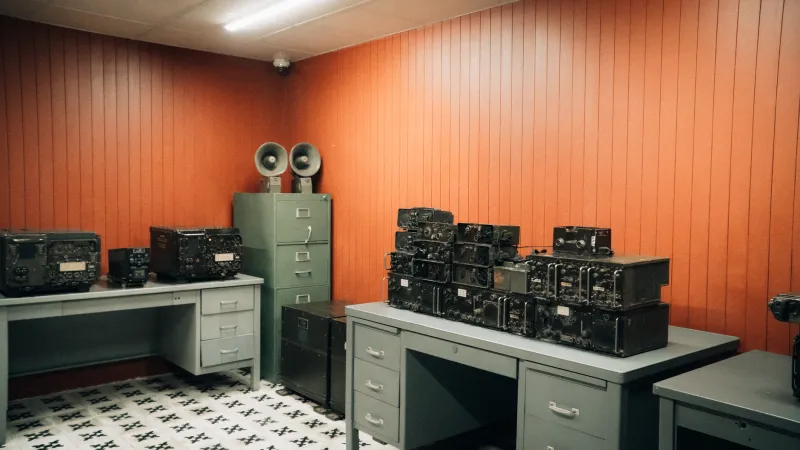
Photo: Monikaa Baskar, CC0, via Wikimedia Commons
Every friendship group has a resident sceptic. They are the one who replies to the escape room suggestion with a thoughtful little thumbs-down and the words: “I'll just wait in the pub.” They are not being difficult for sport. Usually they are worried about looking daft, feeling hemmed in, spending an hour being bossed about by Dave from accounts, or simply being bored rigid while everyone else fiddles with a padlock.
So don't book the hardest room in Britain and hope for the best. Book for the doubter, not for the puzzle nerds. Here's a gentle, pub-backed plan for turning a reluctant first-timer into the person who asks when you're doing the next one.
Decode the objection before you book
“I'll be rubbish at it” usually means “I don't want to be the one who can't work the combination lock.” Fine. Pick a room with a clear hint system and a stated difficulty of two out of five, not four. Look for venues that offer unlimited hints or a “nudge whenever you want” policy. If the booking page brags about a 12% success rate, swerve it for now. You want the escape room equivalent of a gentle park run, not a black-diamond brain melter.
“I'll feel trapped” is a fair one. Most UK rooms keep the door unlocked, but not all. Ring the venue and ask directly: is the door locked, can we step out, is there a toilet break, how big is the space? A quick phone call beats a silent hour of panic. Choose a room with a decent footprint, avoid anything described as “cosy”, “intimate” or “cellar-like”, and agree a code word for “I need a minute” before anyone clips a padlock shut.
“I'll be bored” tends to mean they've seen a tired room with a clipboard and a grey filing cabinet. Look for a strong theme, an actor-led game, or a venue with proper set dressing. A room set in a Victorian séance parlour will always beat one called “Office 3B: The Filing Cabinet Incident”.
“Someone will boss me about” is the easiest to fix. Before you go in, agree that nobody is in charge. No shouting, no snatching, no “just let me do it”. The best escape room teams are the ones where everyone gets a small job: one person reads clues aloud, one holds the torch, one keeps an eye on the clock. If you know the group's alpha type, give them the timer. It keeps them busy and out of everyone else's way.
The low-pressure first-room formula
A first escape room should be a social event with a puzzle attached, not an exam. For the sceptic's debut, aim for:
- Four to six players. Enough for chat and cover, not so many that someone gets lost in the crowd.
- Sixty minutes, not ninety. A tight hour keeps the energy up and gives everyone a natural finish line.
- Difficulty two or three out of five. Look for venues that label rooms as “great for first-timers” rather than “experienced teams only”.
- A central location with a pub within five minutes' walk. This is non-negotiable. The post-room debrief is half the night out.
- An off-peak slot. A weekday evening or a Saturday lunchtime is cheaper, calmer and easier to book. Peaks times can feel like a conveyor belt.
If you can, pick a venue that runs multiple rooms. That way nobody has to sit out, and the group can split into two teams and compare notes afterwards like a very low-stakes sporting fixture.
The pre-brief that saves the hour
Don't just march everyone into the room. Ten minutes before you go in, gather round and say three things. First: “We're here to laugh, not to win.” Second: “If you're stuck, say so — hints are part of the game, not cheating.” Third: “No one gets told off for trying something daft.”
Give the sceptic a low-stakes job they can actually enjoy. Ask them to keep the clue sheet, or nominate them as official photographer for the group photo at the end. It gives them a reason to be there that isn't “solve the puzzle or else”.
Also, be honest about the clock. Tell them it's fine to finish with ten minutes left on the timer and a shrug. The point is the hour out, not the leaderboard.
The post-room pub plan
This is where the conversion happens. Book a table at a nearby pub for straight after the room, ideally one with a decent chip situation and no blaring telly. Then follow three simple rules.
Rule one: no post-mortems in the first five minutes. Don't ask “why didn't you see that?” Ask “what was your favourite bit?” It's a different question and it changes the mood entirely. Rule two: buy the sceptic a drink. A half of something cold and a packet of crisps is a small price for group harmony. Rule three: tell the story, not the solution. Let everyone describe the ridiculous moment with the magnet or the key that was hiding in the fake plant. The story is what they'll remember, not the lock code.
By the time the second round arrives, the doubter is usually the one saying, “Actually, the one with the séance looked good.” And that, quietly, is the whole game.
A quick booking checklist for the wary
Before you click pay, check the venue's website for accessibility notes, hint policy, door policy and group size limits. Ring ahead if you have questions — good venues welcome them. Choose a room with a clear theme and a forgiving difficulty rating, book it for a time that leaves room for a pub trip, and keep the expectation low and the crisps plentiful.
The sceptic isn't the enemy of the escape room night out. They're the reason to book a better first room. Do that, and the group chat will be arguing about which venue to try next before the weekend is out.