The Lockbox Is Calling: A 2026 Team Pact for Keeping Phones Out of the Room

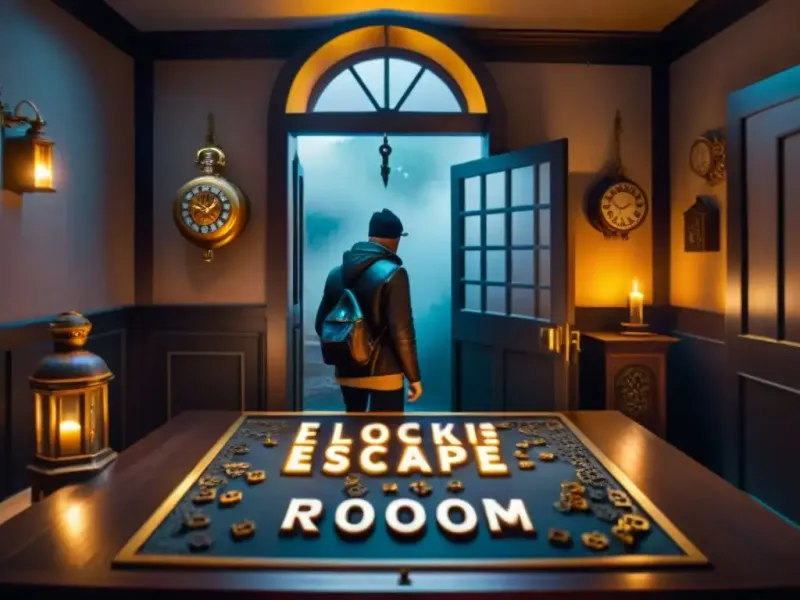
Photo: friends putting phones in lockbox before escape room UK, via wallpapers.com
There is a familiar moment in many UK escape rooms. The team is stuck, the clock is ticking, and someone says: 'I'll just take a quick photo of this.' Out comes the phone, the torch flicks on, a notification pings, and the room stops feeling like a room and starts feeling like a group chat with a padlock. In 2026, phone etiquette is not a side issue. It is part of the puzzle.
The small screen is the biggest spoiler
Escape rooms are designed to be solved by the people in the room, not by a search engine. That is the whole bargain. You get a strange set of clues, a slightly too-clever lock and a game master watching you argue about whether the answer is a date, a colour or a badly drawn animal. A phone breaks that bargain in several quiet ways.
The first is the innocent photo. Someone snaps a clue so the team can study it later, except later never comes because the room resets and the photo becomes a spoiler for the next group. The second is the mid-game search. A riddle sounds like a proverb, someone Googles it, and the answer appears before the team has had a proper go. The third is the group chat. Long after the visit, someone posts a photo of the final puzzle with the caption 'we never would have got this'. Fair enough, but half the fun for the next team is not knowing.
There is also the simple friction of it. Phones invite split attention. One person is reading a clue, another is checking a message, a third is asking whether anyone has signal. The room does not need more noise. It needs everyone looking at the same strange painting and saying 'what on earth is that?'
How UK venues are handling the handset
Walk into a UK escape room in 2026 and you will find a spread of approaches. Some venues ask you to leave phones in a locker or a phone hotel at reception. Some hand out individual pouches or a single lockbox that goes into the room with you. Some simply ask you to silence everything and keep it in your pocket, trusting the team to behave. A few allow photos during the briefing or outside the room, then draw a firm line at the door.
None of this is uniform, so it is worth asking when you book. A quick question such as 'what is your phone policy?' saves awkwardness later. If the venue provides a lockbox, use it. If it asks for phones to stay away, respect it. If you are waiting for an urgent call, tell the game master before the clock starts. Most venues can note it and pass on a message, and it is far better than a phone buzzing in someone's pocket halfway through a puzzle.
A 2026 team pact that actually works
You do not need a formal contract, but a short agreement before you arrive makes a difference. Here is a sensible code for friends, families and work teams.
- Pick one photographer before the visit. That person can take the group picture outside, or during the briefing if the venue allows it. Everyone else keeps their phone away.
- Put the booking details and venue phone number on one person's phone, then silence it. There is no need for four people to have the confirmation email open.
- At the briefing, switch phones to silent rather than vibrate. A buzzing pocket is still a distraction, and the game master will thank you.
- If you are expecting an urgent call, say so at reception. Ask how the venue prefers to handle it. Do not rely on a cheeky glance at the screen mid-puzzle.
- Put phones, smartwatches and anything else that pings into the lockbox or locker. A smartwatch notification can derail a clue just as easily as a phone call.
- No Googling. If the team is stuck, ask for a hint. That is what hints are for, and a good hint keeps the solve in the room rather than handing it to a search engine.
- Take photos only where the venue allows them. Never photograph puzzles, answers or another team's game. If you want a memory, ask the game master whether they offer an official photo.
- After the game, wait until you are clear of the venue before posting spoilers. Ask your team before tagging anyone, and keep the group chat free of answers for people who have not played yet.
Why the empty pocket is the point
A phone-free hour feels odd for about five minutes. Then it feels like a proper break. You notice the room, the props and the people you came with. You hear the daft suggestions and the sudden 'wait, what if we try this?' moments that make escape rooms worth booking. You also get a better story afterwards.
The pub debrief is where the phone ban pays off. Nobody wants to hear about the clue someone found on a search engine. They want the bit where your mate insisted the answer was hidden in the ceiling, or the moment the team realised the obvious key was obvious all along. That is the memory. That is what you talk about over a round of drinks.
So before your next booking, have the conversation. Agree the phone plan, ask the venue what it offers, and let the lockbox do its job. The best souvenir from a UK escape room in 2026 is not a blurry photo of a padlock. It is the hour you actually spent solving it together.