Cobwebs Are Cheap: Why UK Escape Room Themes Need a Serious Shake-Up in 2026
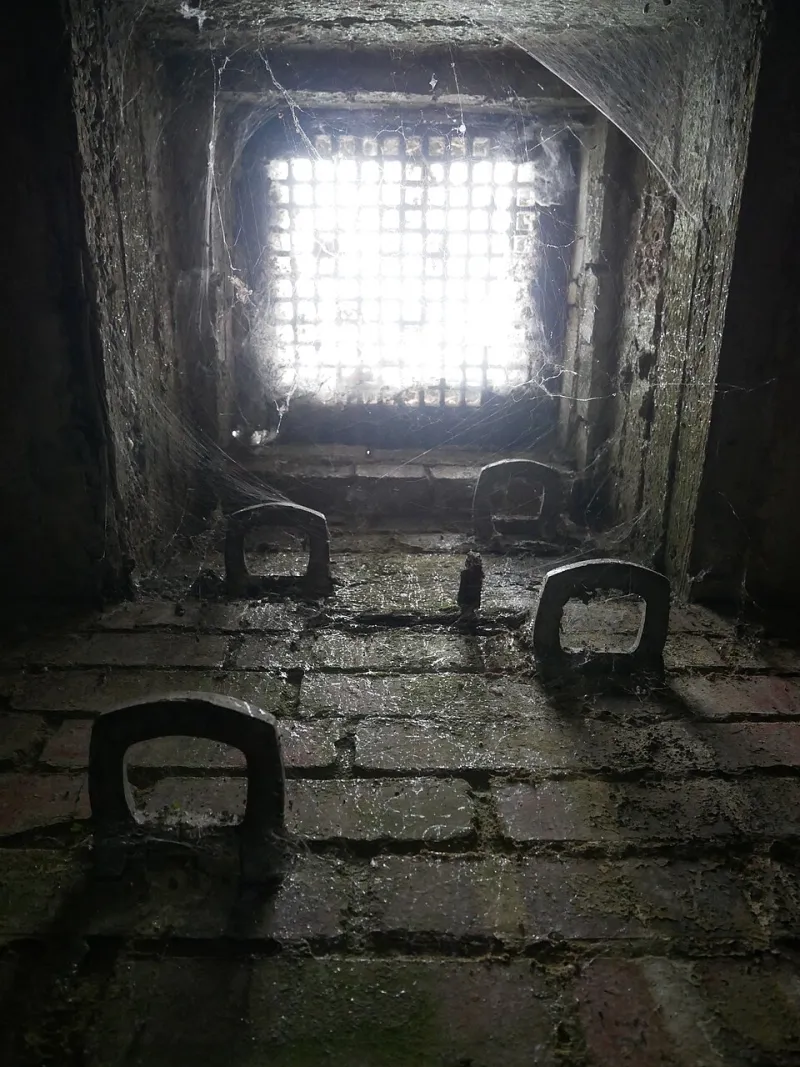
Photo: Doyle of London, CC BY-SA 4.0, via Wikimedia Commons
You know the drill. The booking confirmation says arrive 15 minutes early. You sign a waiver, pose for a team photo, then a door creaks open onto a flickering corridor. Somewhere, a gramophone crackles. A stern Victorian doctor stares from a framed photograph. Congratulations: you are back in the asylum again. Or the prison. Or the bunker.
That is not a criticism of any one room. It is a pattern. The UK escape room scene is full of clever, passionate operators, but the themes on offer can feel like they have been pulled from a very short rota. For groups choosing a room in 2026, that matters. A familiar theme is not automatically a bad night out, but it is worth asking whether you are booking a story or just another set of cobwebbed walls.
The Usual Suspects
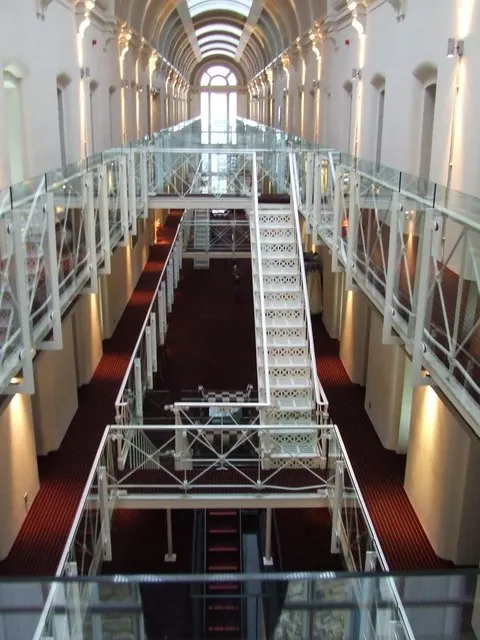
Start with the obvious inventory. Haunted asylums. Victorian prisons. Cold War bunkers. Zombie laboratories. Cursed carnivals and grinning clowns. Egyptian tombs. Pirate ships. Mafia speakeasies. Serial killer lairs with newspaper clippings on the wall. Spy agencies with a red telephone and a filing cabinet marked TOP SECRET.
Some of these are brilliant. A well-built prison room can use confinement properly. A bunker can turn keypads, dials and fall-out shelters into genuinely satisfying puzzles. A clown room can be a hoot if the hosting is right. The problem is not that these settings exist. It is that they dominate, and many of them use the same shorthand: flickering lights, a spooky portrait, a locked cupboard, a note that says the previous team never made it out.
Why the Old Favourites Keep Winning
There are sensible reasons operators return to the same wells. Familiar genres are easy to market. A haunted asylum tells a punter exactly what they are getting before they read a single review. A bunker gives you built-in locks, codes and a reason to be underground. A prison gives you cells, bars and a natural countdown. These themes also come with a ready-made atmosphere: dim lighting, distressed paintwork, a few props from a theatrical supplier and you are most of the way there.
Risk aversion plays a part too. A known theme sells to stag dos, birthday groups and families who want a safe bet. Operators know that a room called The Curse of Blackwater Asylum will probably outperform a room called Saturday Shift at the Village Post Office, even if the latter has better puzzles. That is not snobbery. It is commercial reality.
The Fatigue Factor
But there is a fatigue factor. If you have done a handful of rooms, you start to recognise the beats. The first padlock opens a drawer. The drawer contains a UV torch. The UV torch reveals a message on the wall. The message points to a four-digit code. The four-digit code opens a box with a key in it. The theme may change, but the rhythm does not.
That is when a familiar setting starts to feel like wallpaper. You are not exploring an asylum; you are in a room with asylum-shaped decoration. The story is not doing any work. The puzzles could be lifted into a pirate ship without changing much at all. For a group paying £25 to £35 each, that is a fair thing to notice.
Rooms That Break the Mould
Fortunately, the UK has operators who are pushing in the other direction. You can see it in independent venues from Leeds to Bristol, Glasgow to Norwich, Sheffield to Cardiff. Instead of another cursed cellar, they are building rooms around a struggling seaside arcade, a 1970s record shop, a village hall fête gone wrong, a local radio station on election night, a mail train sorting carriage, a community allotment rivalry or a library archive with a missing ledger.
These settings are not just quirky for the sake of it. They give puzzles somewhere to live. A record shop invites you to sort vinyl, read sleeve notes and work a shop till. A radio station gives you mixing desks, cue sheets and a broadcast deadline. A village fête can turn WI jam labels, tombola tickets and a missing trophy into a proper story. The theme is not a coat of paint; it is the engine.
Hyper-local themes are starting to appear too: a Welsh mining village, a Glasgow tenement, a Cornish harbour, a Midlands factory floor. These can be risky because they narrow the appeal, but when they are done well they feel specific in a way that a generic asylum never can. Specificity is what makes a room memorable.
How to Spot a Distinctive Theme Before You Book
You do not need to become an escape room detective. A few checks will save you from another night of dusty portraits and a padlock on a wardrobe.
Read the blurb for nouns, not adjectives. If the description is all sinister, dark secret, abandoned and curse, you are probably in familiar territory. If it mentions a specific object, job or place — a lost wedding ring, a ferry timetable, a broken jukebox, a missing mayoral chain — that is a better sign.
Look at the photo gallery. Custom sets, unusual props and rooms that do not look like every other room are worth a second look. If every photo shows the same bare brickwork, wooden crates and a chest with a combination lock, adjust your expectations.
Search reviews for the word different. Not every review will use it, but if players keep saying the room was not what they expected, or that the theme actually mattered, that is useful signal. Watch for reviews that say standard or seen it before too.
Ask the operator one question. Email or message them: what is the one thing in this room we will not have seen before? If they can answer with a specific puzzle, prop or story beat, good. If they answer with a mood board, think carefully.
Check whether the theme drives the puzzles. A strong room uses its setting to create problems that could not happen anywhere else. A weak room uses the setting as a backdrop for the same old locks.
Play title bingo, but do not be snobbish. If the title includes two of asylum, bunker, prison, curse, clown, experiment or lair, inspect it closely. It might still be excellent. Just do not assume the theme is fresh because the poster is glossy.
The Theme Is Not Everything
A clichéd theme can still be a great room. Strong puzzles, warm hosting, a well-built set and a genuinely satisfying finale can carry a familiar story. Equally, a fresh theme can hide weak gameplay. Do not write off a bunker because you have done three bunkers. Do not book a quirky-sounding room just because it is not about a haunted hospital.
The point is not that the UK scene should abandon its favourites. It is that the balance has tipped too far. We have enough asylums. We have enough bunkers. We have enough clowns with a grudge. The best rooms in 2026 will be the ones that use a setting to tell a story you could not get anywhere else — and that give your team something to talk about in the pub afterwards beyond which padlock was stiffest.
Cobwebs are cheap. Imagination is what you are actually paying for. Book the room that makes you say: I have not done that before.