Village Hall Vaults: The Tiny UK Escape Rooms Worth a Wrong Turn
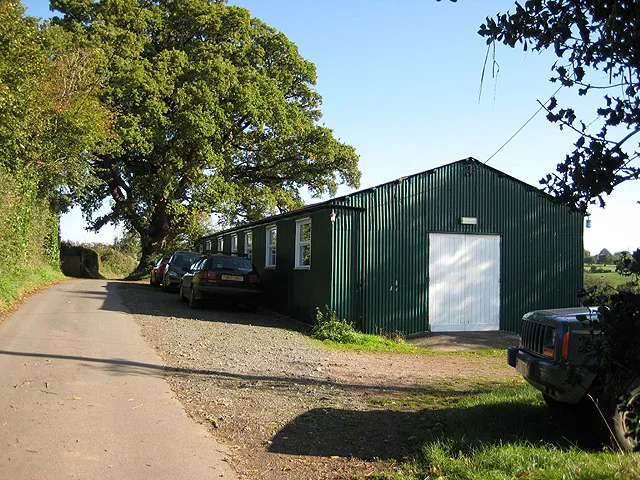
Photo: Pauline Eccles, CC BY-SA 2.0, via Wikimedia Commons
Some of the best escape rooms in the UK are not behind a neon sign on a city high street. They are down a lane, past a recreation ground, in a building that also hosts toddler gymnastics on a Tuesday. The scout hut. The village hall. The community centre with a noticeboard advertising a jam rota. In 2026, these small, independent venues are quietly doing some of the most inventive puzzle design in the country — often on a budget that wouldn't cover a chain's reception desk.
This isn't nostalgia for draughty buildings. It's a practical tip for anyone planning a day out: a tiny room can be a gem, if you know what you're looking at.
Why the smallest rooms often have the biggest ideas
Big chains have polished sets, dramatic lighting and a script. That's lovely. But polish can sand down the weird edges. A small venue run by two people who built the props in their garage often takes bigger swings. They can't rely on a fog machine and a themed bar, so they lean on clever locks, homemade mechanisms, wordplay, physical surprises and a theme that actually fits the building.
You might solve a puzzle using a wonky cupboard that came with the hall. You might find a clue under a tea urn. The best tiny rooms feel like someone's passion project because they are. The puzzles are often more hands-on, more varied and more willing to be silly. For a group of friends, families or a work team, that can beat a slick room where every beat feels focus-grouped.
How to spot a hidden gem before you book
Start with the photos, but not the glossy ones. Look for pictures of actual props, not just a logo and a moody corridor. A good tiny venue will show you a lock, a box, a handwritten note or a set that looks built rather than bought. Reviews are your friend: ignore the one-star moan about parking and read the ones that mention specific puzzles. Phrases like 'we'd never seen that before' and 'the owner was lovely' are good signs.
Check whether the room has a clear theme and a sensible difficulty level. A tiny venue that says 'haunted' and nothing else is a gamble; one that explains the story, group size and age guidance is likely run by someone who cares. Look at how they communicate. A website that is basically one page, an email address and a phone number can still be brilliant. A Facebook page with recent photos and quick replies is often a better signal than a corporate booking system.
Finally, trust the odd location. If the address is a scout hut, a church hall or a community centre, don't assume it's amateur. Some of the most memorable rooms are in buildings that were never designed for escape games — and that's exactly why they work.
What to expect from the facilities (and the tea urn)
Set your expectations sensibly. You may get a shared toilet, a car park that doubles as a football pitch, and a waiting area that is a stack of chairs. You may be asked to arrive ten minutes early and wait in the hall. That's normal. Bring a layer: village halls can be warm, cold or both within the same hour.
Accessibility is worth a direct question. A tiny venue may have a step, a narrow door or a loo that's not suitable for everyone. Good owners will tell you honestly. Ask about parking, public transport and whether there's somewhere to leave coats. Don't expect a bar. Do expect a kettle, possibly an honesty box for squash, and a host who is genuinely pleased you came.
The upside of the low-budget setup is that your money goes to the room and the people running it. You're not paying for a chandelier in reception.
Booking, budgets and the day-out maths
Tiny rooms usually book directly by email, phone or a simple form. In 2026, that's still normal. Read the cancellation policy, check the group size and ask how many people the room really suits. A room advertised for two to six may be best with four. Ask if there are any stairs.
Price is where the detour pays off. City-centre chains often charge £30 to £40 per person; a village-hall room can be £15 to £25. For a family of four, that's a proper saving. Spend it on lunch at a pub, a train ticket to somewhere new or a second cheap room nearby. Make a day of it: a walk, a cafe, a browse round a market town. The escape room becomes one part of a day out rather than the whole event.
A word on the polished chains
None of this is a knock on the big operators. A slick city room can be brilliant for a birthday or a first-timer. But if you've done a few and everything is starting to feel the same, a tiny venue can reset your expectations. The puzzles are less predictable, the host is often the designer, and the whole thing feels like a shared secret.
So next time you're planning a meet-up, don't filter out the scout hut. Check the reviews, ask the sensible questions and book the little room. Britain's smallest escape rooms might just be the best-value fun you have in 2026.