Sixty Quid, Six Mates, One Hour: Building a Proper Escape Room Night Out on a Budget

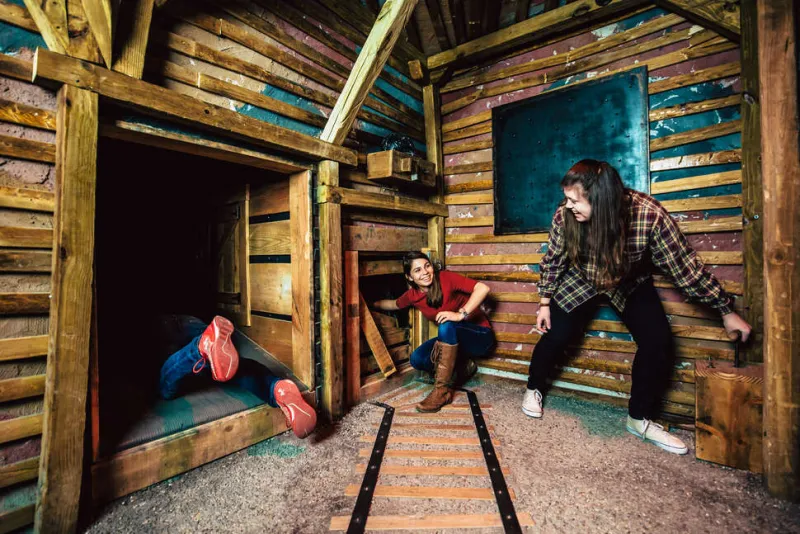
Photo: U.S. Fish and Wildlife Service Southeast Region, Public domain, via Wikimedia Commons
Sixty pounds. That's the brief. Not sixty each, not sixty before drinks — sixty quid all in, for a genuine night out with a few of your favourite people. Tight? Yes. Impossible? Absolutely not, provided you treat the booking like a puzzle in itself.
We've all been there: you find a room you like the look of, get excited, then discover it's £32 a head and there are five of you, plus a booking fee, plus the pizza afterwards, and suddenly that "cheap night out" has cost more than a decent seat at the theatre. So here's the money-savvy version.
Start with the maths nobody puts on the homepage
Almost every UK escape room prices per player, with a minimum group size. That means the headline figure — '£25pp' — is a best case, only available if you fill every slot. A four-person minimum on a room that sleeps six means you're paying 4 × the price to occupy a space designed for more.
Run the numbers per head, not per room. Some venues drop the per-person rate as the group grows; others whack on a flat fee. A room advertised at £22 a head for six comes to £132, which is already double our budget — but a weekday off-peak slot at a smaller independent place might be £15 a head for four, or a flat £60 for the room midweek. That flat-fee pricing is your friend. Hunt for it.
Off-peak is the other lever. Friday and Saturday evenings are premium everywhere. Tuesday to Thursday, before 6pm, and school-holiday afternoons are consistently cheaper, and honestly a Thursday night game is just as much fun as a Saturday one, minus the hen party in the corridor.
The extras that quietly murder your budget
- Booking fees. Some third-party sites add a per-ticket charge. Book direct where you can, and check the total before you hit pay.
- The photo package. You'll be offered a printed photo or a USB for £8–£15. Ask if they'll take one on your own phone — plenty of places will, for free, if you ask nicely.
- The 'premium' room. Venues often have a flagship room at a higher price. It's rarely twice as good as the standard one.
- Parking. City-centre NCP charges can add £10 without warning. Look for a room near a bus route or a station instead.
- Drinks at the venue. A fridge full of £3.50 cans adds up fast when there are four of you. Bring a bottle of water.
Where the food money comes from
Here's the trick that makes £60 actually work: book a daytime or early-evening slot and eat after, not before. A 5pm game followed by a walk to a decent chippy or a pizza-by-the-slice counter costs a fraction of a sit-down meal, and the post-room debrief — the bit where everyone argues about the puzzle they solved single-handedly — is the best part of the night anyway.
Group-friendly budget options that exist in most UK towns: street food markets on a Thursday or Friday, pizza slices, a proper pie shop, or the time-honoured supermarket meal deal eaten on a bench with a view. If you're a family with younger kids, an early slot plus a picnic tea in the car park is a genuinely lovely evening and costs about £12.
Keep travel simple, too. Advance train tickets bought two or three weeks out, a PlusBus add-on, or one designated driver taking the hit on the lemonade — all cheaper than four separate taxis home at 11pm.
A workable £60 shape
Say there are four of you. A midweek off-peak game at a flat £45 for the room, £4 of bus fares each way split between you, and £15 of chips and cans eaten outdoors. That's £60 and change, and everyone's had a proper night out. With six people it's even easier: many rooms charge a flat rate that works out at £10–£12 a head midweek.
If your group is bigger than the budget allows, don't be tempted to squeeze eight people into a six-person room and call it value. Nobody solves anything with someone's elbow in their ear, and venues will (rightly) turn you away.
Picking a room that suits everyone
Mixed-age groups are where cheap nights out go wrong. Check minimum ages before you fall in love with a room — many horror-themed games are 16-plus, and under-16s usually need an adult in the room, not just in the building. Family-friendly rooms tend to be brighter, less jumpy and more about teamwork than dark corridors, which suits grandparents and nervous first-timers too.
Look at the room's stated difficulty as well. A two-out-of-five room will have you out with ten minutes to spare and everyone feeling clever; a five-out-of-five will have you standing in silence at the hour mark, having used three hints and forgotten what a padlock is. On a budget night, a completed room is worth more than a prestige one.
The bits people forget
Book direct, pay the deposit, and put the balance in a group chat the day before — chasing £11 from a mate on the night is nobody's idea of fun. Check the cancellation policy, because a £60 evening becomes a £60 loss if two people drop out and the venue won't move your slot. And arrive ten minutes early: the briefing is part of the game, and nobody wants to start a timed room already behind.
Do all that and the escape room stops being the expensive bit of the night. It becomes the reason the night happened at all — which, for sixty quid, is a ridiculous bargain.